Beyond Calligraphy
  • Blog
  • Etymology
    • Chineses and Japanese Character Search
    • Kanji Etymology
    • Hiragana Etymology
  • Articles
    • Guest Articles
    • Translated Articles
      • Japanese
      • Polish
      • Hungarian
      • German
      • Spanish
      • French
  • Gallery
  • Video Library
  • Events
    • Event Locations
    • Event Categories
    • My Bookings
  • About us
    • Founders

CalligraphyTraditions

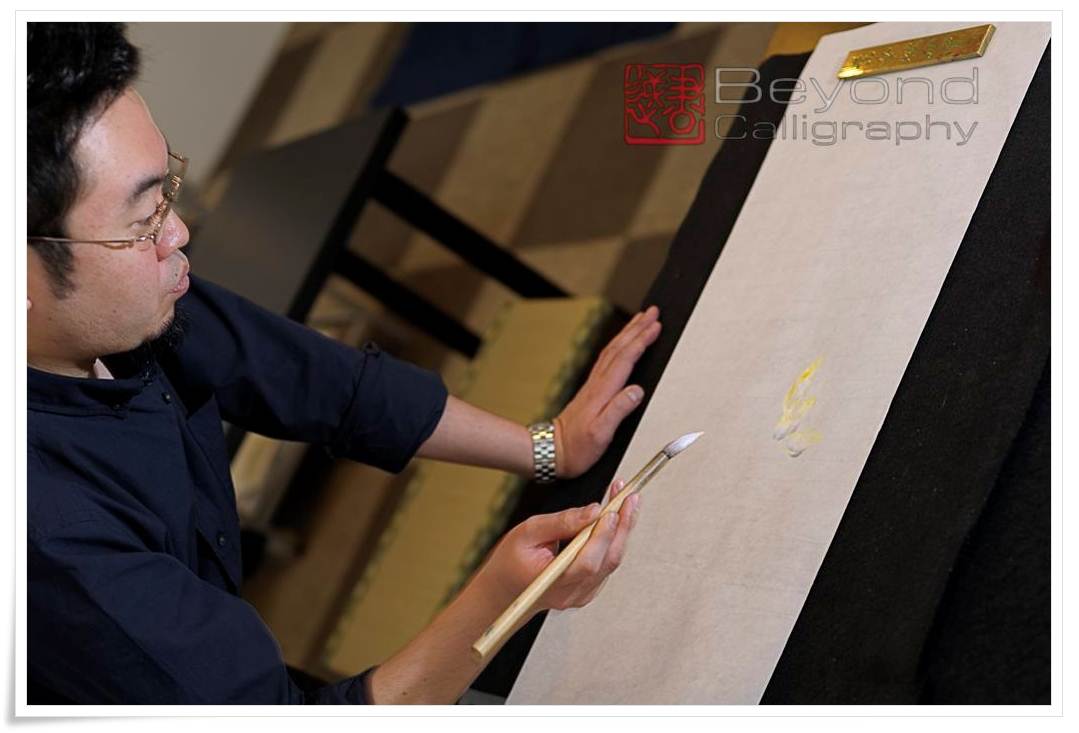
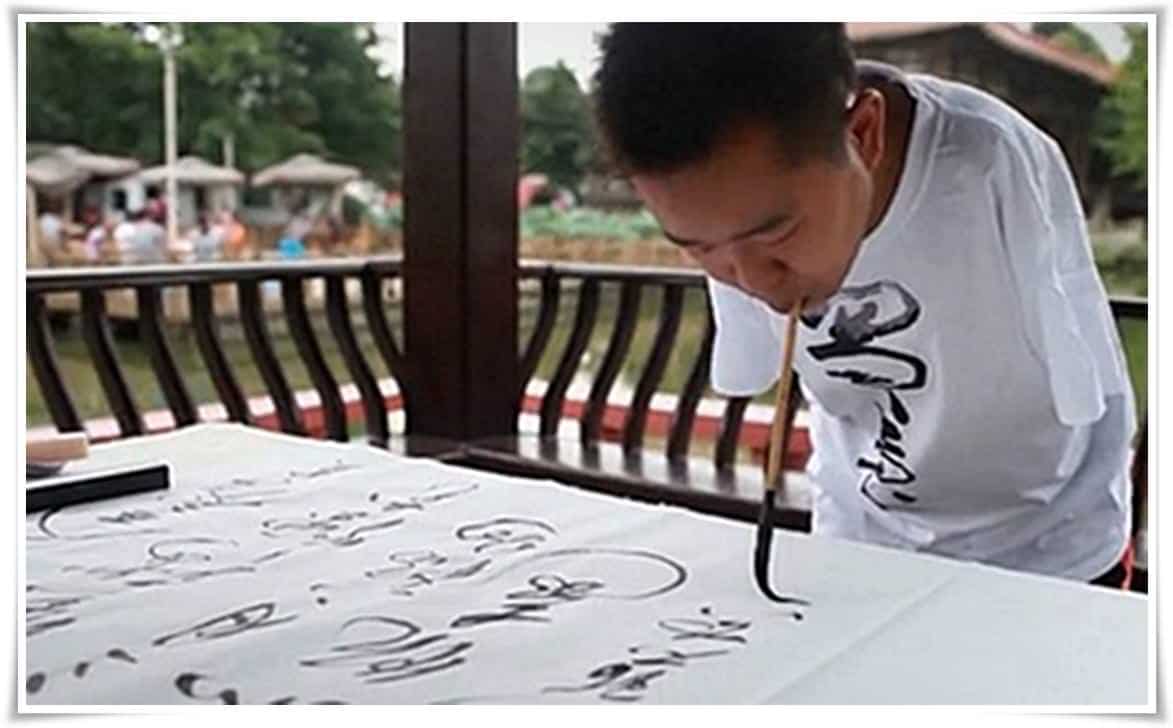
According to an old Japanese tradition brushes that have “passed away” are to be buried at a Buddhist or Shinto shrine.

Share

CalligraphyMysteries

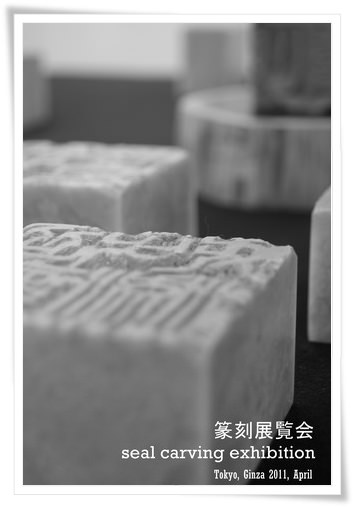
The inkstone is the second most important treasure of the study. It is also the only one that if taken care of properly will last for millennia.

Share

Japanese CalligraphyHistory

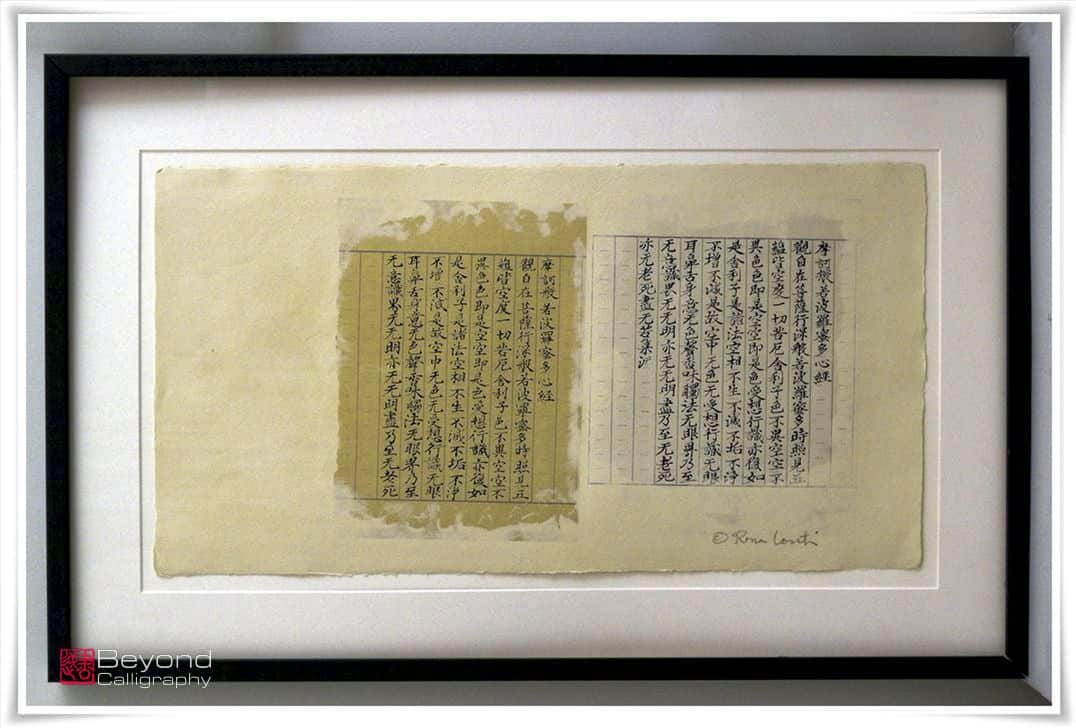
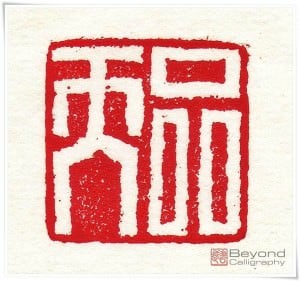
The most famous first novel in kana is The Tale of Genji (源氏物語, Genji Monogatari), attributed to the Japanese noblewoman, Murasaki Shikibu (紫式部; c. 973 – c. 1014 or 1025)

Share

CalligraphyEvents

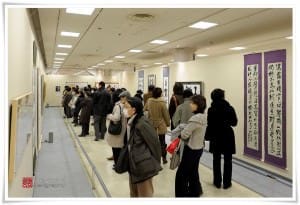
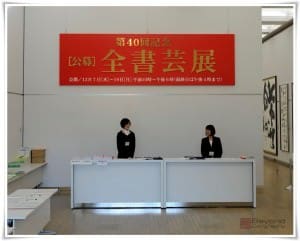
Abstract calligraphy work on one of Tokyo’s exhibitions

Share

Chinese CalligraphyHistory

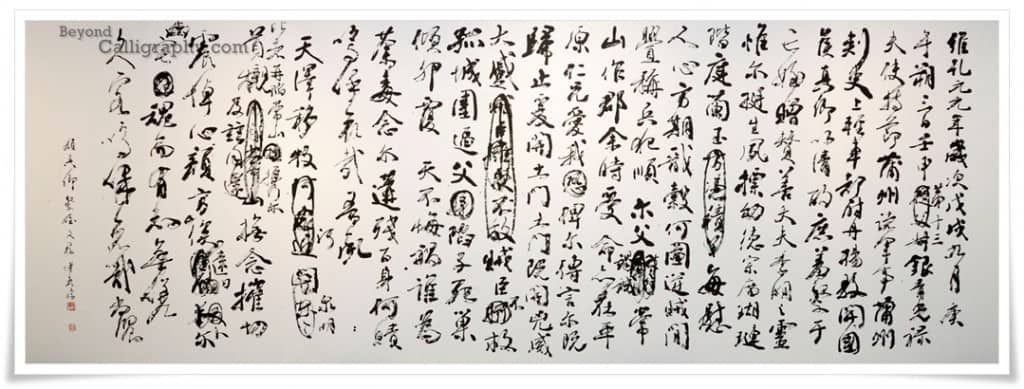
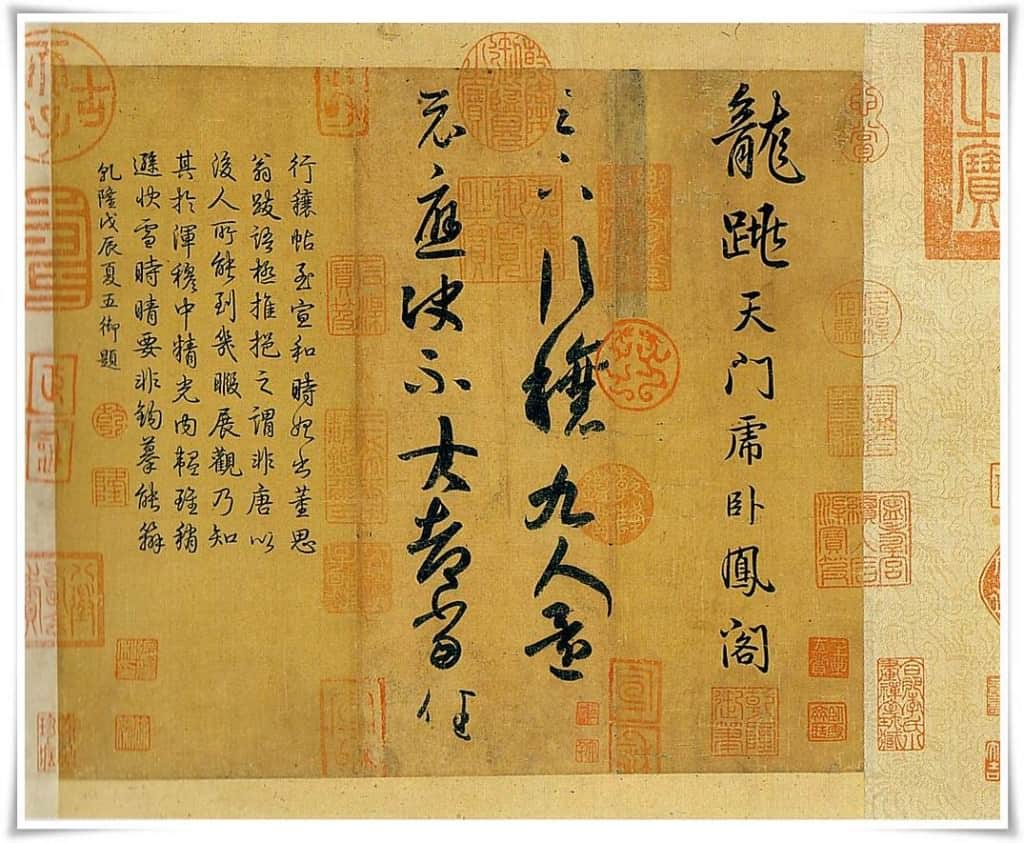
Calligraphy in cursive script by Huai Su (懷素), 8th century C.E

Share

Cómo entender la caligrafía del Extreme Oriente (parte 2)

By Jon Leniz On May 19, 2012 · Leave a Comment

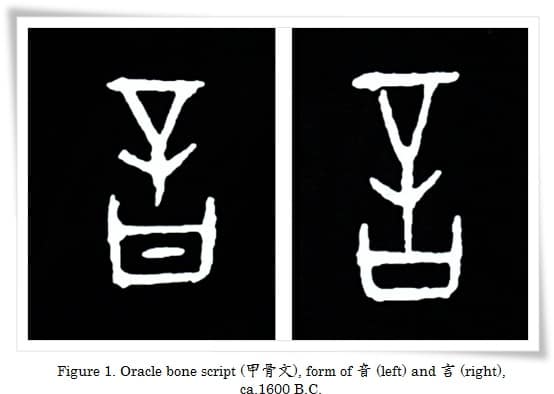
Author of the original text (English): Ponte Ryūrui (品天龍涙) Traducción al español: Jon Leniz ¿Qué es lo que todos los estilos de caligrafía y escuelas que están fijados en varias realidades culturales tienen en común? ¿Cómo leemos la caligrafía? ¿Cómo nos relacionamos con la maza negra de líneas indescifrables y cómo podemos escuchar lo que [...]

Share
Continue Reading →

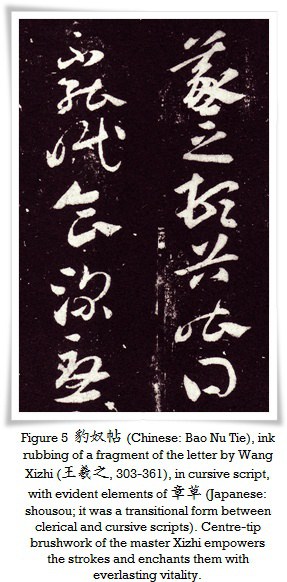
Les magiciens de l’encre 王羲之 (Wáng Xīzhī, 303 – 361) 2ème partie

By Olivier Delasalle On May 16, 2012 · Leave a Comment

Author of the original text (English): Ponte Ryūrui (品天龍涙) Traduction française: Olivier Delasalle Ceux d’entre vous qui ont déjà lu la première partie de cet article savent déjà que 王羲之 (Wáng Xīzhī, 303–361) était un personnage. On trouve beaucoup d’anecdotes le concernant lui ou ses descendants, en particulier son fils Wáng Xiànzhī (王献之, 344 – [...]

Share
Continue Reading →

A Global Nomad Inspired By Asian Cultures: Part II

By Antje Goldflam On May 15, 2012 · Leave a Comment

Of course, in Australia, I was embraced by a totally different world, and for about two years, I did not paint at all. There were other things to discover in the land of wool – weaving. I had learned that craft in Bangkok, too, fascinated by Thai silk and cotton indigo ikat hand weaving, especially [...]

Share
Continue Reading →

Cómo entender la caligrafía del Extremo Oriente (parte 1)

By Jon Leniz On May 11, 2012 · Leave a Comment

Author of the original text (English): Ponte Ryūrui (品天龍涙) Traducción al español: Jon Leniz Antes de aventurarnos en el abismal reino de la caligrafía china y japonesa, tenemos que preguntarnos ¿qué es lo que significa caligrafía? La etimología de la palabra caligrafía es griega y su origen deriva de κάλλος kallos “belleza” + γραφή graphẽ [...]

Share
Continue Reading →

Kanji: 女

By Ponte Ryūrui On May 9, 2012 · 1 Comment

1. Meaning: female, woman 2. Readings: Kunyomi (訓読み): おんな, め Onyomi (音読み): ジョ, ニョ, ニョウ Japanese names: おな, た, つき, な Chinese reading: nǔ, rǔ 3. Etymology 女 belongs to the 象形文字 (しょうけいもじ, shōkeimoji, i.e. set of characters of pictographic origin). It is a pictograph of a woman kneeling on the ground, shown with her [...]

Share
Continue Reading →

A Global Nomad Inspired By Asian Cultures: Part I

By Antje Goldflam On May 8, 2012 · 4 Comments

I still remember the first day of our posting to Thailand in the Bangkok Montien Hotel in 1987. Of all days, we arrived on Chinese New Year, and I am sure that must have influenced our family’s never-ending fascination with Southeast Asia. In the hotel lobby a calligrapher offered to write our names in Chinese [...]

Share
Continue Reading →

Phantom of the Nine Dragons’ Master

By Mariusz Szmerdt On May 2, 2012 · 7 Comments

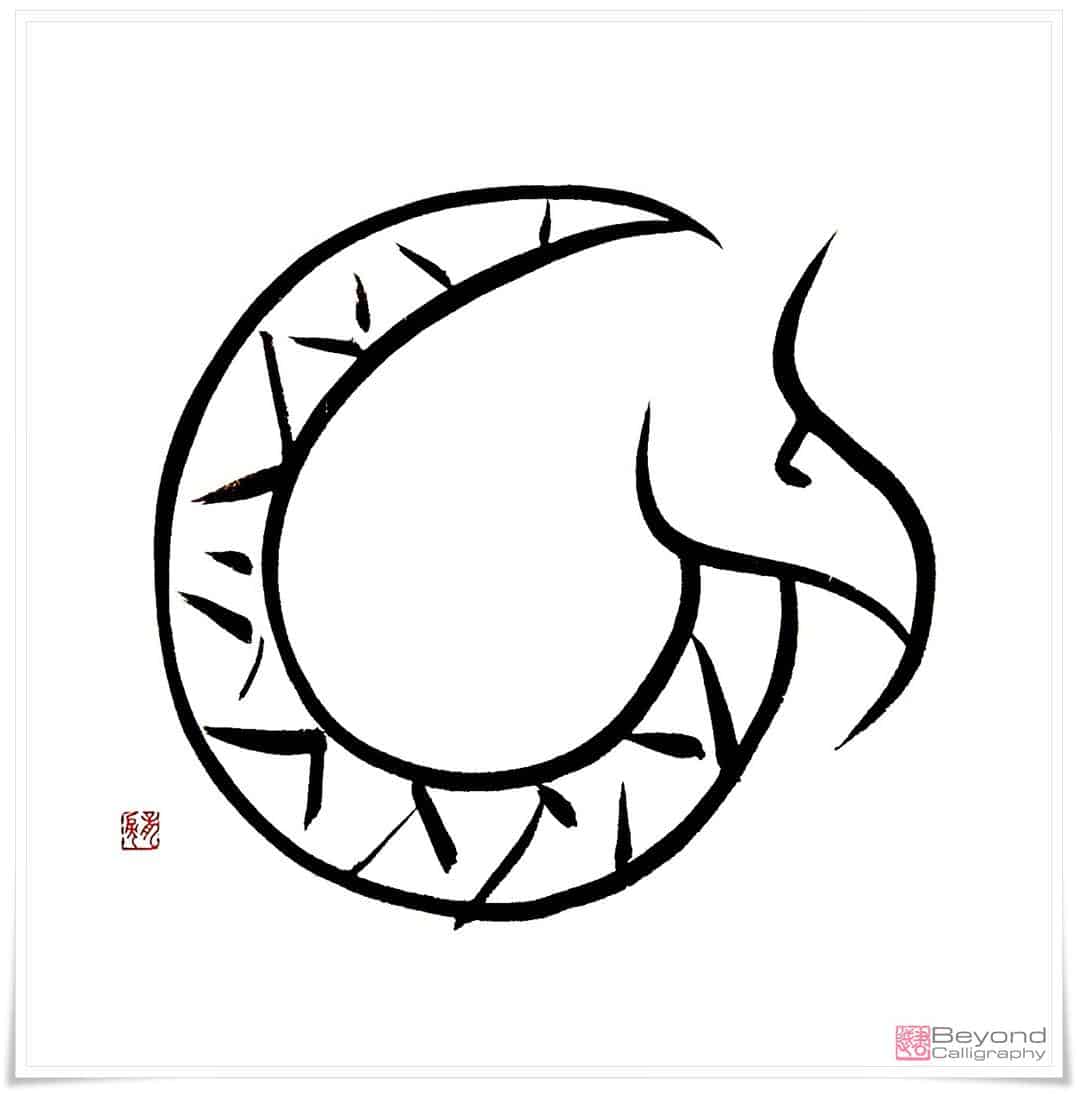
Original text, art and photography: Mariusz Szmerdt English translation: Ponte Ryuurui (品天龍涙) English editing: Rona Conti Monstrous snake-like hulks, scales reflecting memories of the mighty skies, massive mouths armed in rows of razor sharp teeth, and sometimes even wings….. by now your mind has surely conjured familiar images of a creature that lurks in oft’ [...]

Share
Continue Reading →

Widmo Mistrza Dziewięciu Smoków

By Mariusz Szmerdt On May 2, 2012 · Leave a Comment

Tekst, obrazy i zdjęcia: Mariusz Szmerdt (Click here for English translation of this text) Monstrualne, przypominające wężowe cielska korpusy, rozmiary przywodzące na myśl potęgę i ogrom nieboskłonów, masywne szczęki uzbrojone w rzędy ostrych jak brzytwa zębów, czasami skrzydła… W tym momencie twój umysł zapewne przywołuje dobrze znany obraz stworzenia, które czai się gdzieś w prastarych [...]

Share
Continue Reading →

Les magiciens de l’encre : 王羲之 (Wáng Xīzhī, 303 – 361) Première partie

By Olivier Delasalle On April 27, 2012 · Leave a Comment

Author of the original text (English): Ponte Ryūrui (品天龍涙) Traduction française: Olivier Delasalle « Lui, dont la calligraphie pouvait terrasser 10 000 hommes » : c’est avec ces mots que Liú Xīza (刘熙载, 1813 – 1881), critique d’art et critique littéraire spécialiste de la dynastie Qing (清朝1616 – 1636) décrit la puissance et l’élégance de [...]

Share
Continue Reading →

Kanji: 出

By Ponte Ryūrui On April 24, 2012 · 1 Comment

1. Meaning: come out, exit, go out, leave, protrude, put out 2. Readings: Kunyomi (訓読み): い.だす, い.でる, だ.す, -だ.す, -で, で.る Onyomi (音読み): シュツ、 スイ Japanese names: いず, いづ, いで, じ, すっ, すつ, てん Chinese reading: chū 3. Etymology 出 belongs to the 象形文字 (しょうけいもじ, shōkeimoji, i.e., set of characters of pictographic origin). It is [...]

Share
Continue Reading →
Page 1 of 1312345...10...»Last »
  • Join US on FaceBook

  • Feedback, Comments & Suggestions

    1. (required)
    2. (valid email required)
    3. (required)
     

    cforms contact form by delicious:days

  • Events Calendar

    << May 2012 >>
    MTWTFSS
    30 1 2 3 4 5 6
    7 8 9 10 11 12 13
    14 15 16 17 18 19 20
    21 22 23 24 25 26 27
    28 29 30 31 1 2 3
  • Calligraphy Events

    • No events
  • Popular Threads

  • Recent Comments

  • COLLECTION OF WORKS

    気分 (きぶん, kibun, i.e. “mood”, “feeling”)龍 (りゅう, ryū, i.e. “a dragon”)気 (き, ki, i.e. “spirit”, “mind”, “heart”, “nature”, "mood”, etc.)山 (やま, yama, i.e. “mountain”)
  • Twitter Updates

    • Cómo entender la caligrafía del Extreme Oriente (parte 2) Link to the article:... http://t.co/VAK2ZBRy 17 hours ago
    • 武士 (ぶし, bushi), i.e. "warrior", semicursive script (行書; http://t.co/AtHTlWO5). http://t.co/uZLpqrlM 2012/05/18
    • 竹森 (たけもり, take mori), i.e. "bamboo forest", cross between ink painting and calligraphy. http://t.co/LMBCVv7E 2012/05/18
    • 春香 (はるのかおり, haru no kaori), i.e."the scent of spring (season)", mixture of cursive (草書;... http://t.co/UQowpzdo 2012/05/17
    • 宙 (pinyin: zhòu), i.e. "universe", written in a semni-cursive script (行書,... http://t.co/8GwDmNgf 2012/05/17
  • Networked Blogs

    Follow this blog
  • Meta

    • Log in
    • Entries RSS
    • Comments RSS
    • WordPress.org
"Cómo entender la caligrafía del Extreme Oriente (parte 2) Link to the article:... http://t.co/VAK2ZBRy— Ponte_Ryuurui

Beyond Calligraphy

Pages

  • Blog
  • Etymology
  • Articles
  • Gallery
  • Video Library
  • Events
  • About us

The Latest

  • Cómo entender la caligrafía del Extreme Oriente (parte 2)
    Author of the original text (English): Ponte Ryūrui (品天龍涙) Traducción al español: […]

More
Thanks for dropping by! Feel free to join the discussion by leaving comments, and stay updated by subscribing to the RSS feed.
Content Copyright © 2010-2012 Beyond Calligraphy. All rights reserved.